
Services
Monthly bookkeeping run entirely in Xero — closed, reviewed and proven every period by the team that does the work.
Bookkeeping packages

The Xero Handbook
What Xero does well, where it runs out of road, and how to tell which side of that line your business sits on. Written by a Xero Gold Partner who also implements the systems that sit alongside it.
The basics
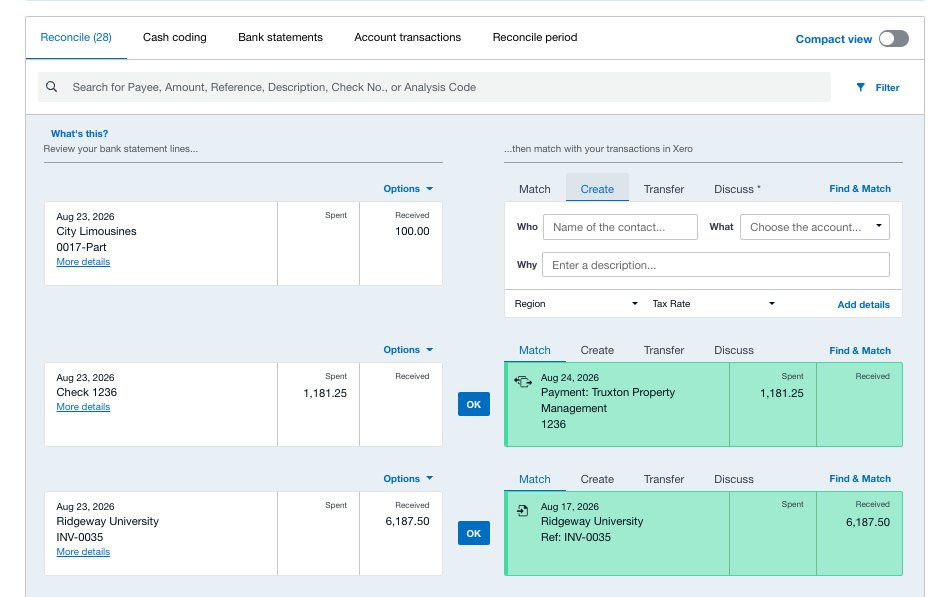
Xero is cloud accounting software. Your bank feeds transactions into it, you code and reconcile them, and it produces financial statements from what it holds.
That description sounds trivial, but the word doing the work is cloud. Your accountant, your bookkeeper and you are all looking at the same file at the same time, from anywhere. There is no file to email, no version to be out of date, and no question about whose copy is right. For a business with an offshore bookkeeper, a US CPA and an owner who travels, that single fact is most of the value.
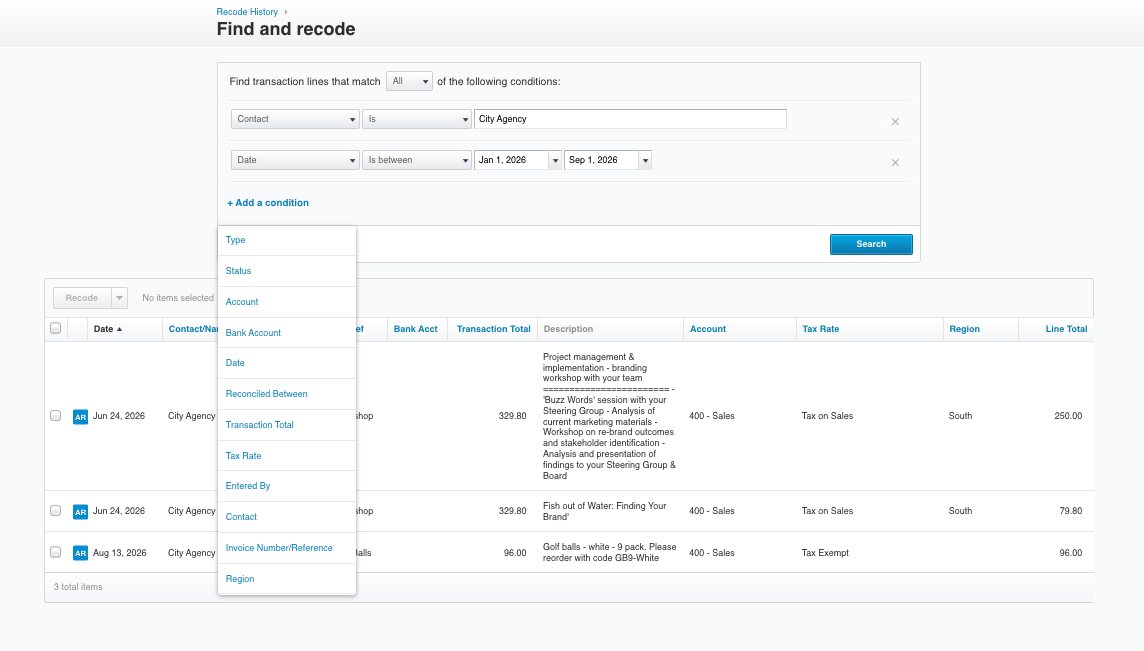
What Xero is not is a system that keeps itself correct. It records what it is told. Feeds deliver transactions, rules suggest codings, and reports assemble whatever is in the ledger. None of that is the same as someone deciding the numbers are right, which is the distinction the rest of this handbook is about.
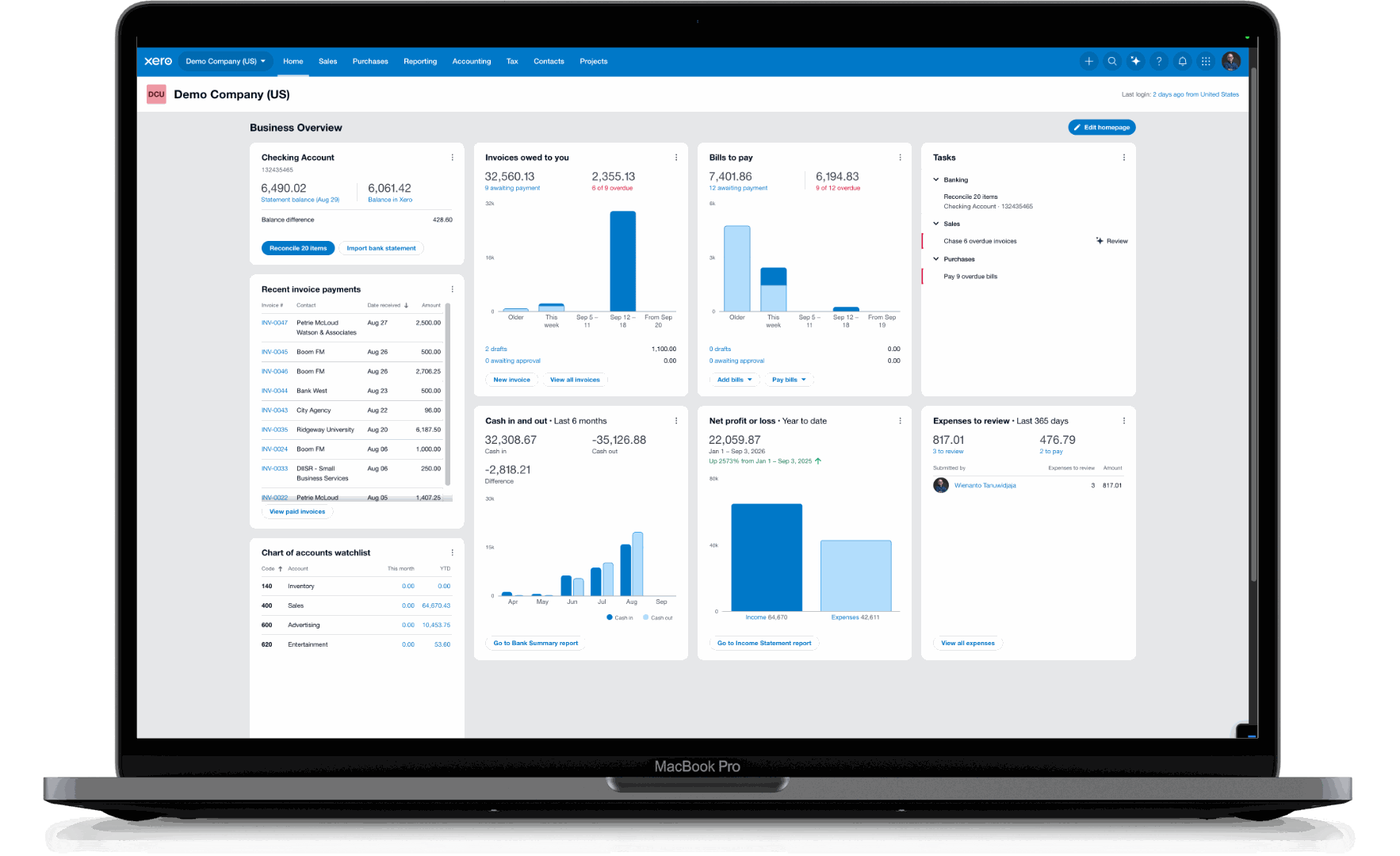
Good fit
The pattern is consistent. Xero fits businesses whose accounting is service-shaped or simple-product-shaped, who value working with their advisors in the same file, and whose complexity lives in the workflow rather than in the manufacturing.
Capability
Xero is a strong general ledger with a deliberately open ecosystem, which means it sits at the centre of a finance stack rather than trying to be all of it. That is an advantage. It lets a growing business add exactly the capability it needs, when it needs it, instead of buying an ERP on day one and paying for modules it will never open.
Our job is choosing the right combination, implementing it, and keeping it running once it is live. These are the systems we work with most often, and the businesses they suit.
| System | What it adds | Who it is for |
|---|---|---|
 Unleashed Unleashed |
Production and inventory: bills of materials, work in progress, multi-stage costing, warehouses, landed cost and stock valuation, posting results into Xero. | Manufacturers and inventory-led businesses |
 Cin7 Cin7 |
Multi-channel sales, fulfilment and stock valuation reconciled back to the ledger without re-keying between systems. | E-commerce and multi-channel sellers |
 ApprovalMax ApprovalMax |
Multi-level authorisation on bills and purchase orders, delegation rules, and a complete audit trail of who approved what and when. | Businesses that need real spend control |
 BILL BILL |
Bills captured, coded and routed for approval, then paid from your own account once you release them. Approval trail and payment record stay together. | Businesses paying a high volume of suppliers |
 Precoro Precoro |
Purchase requisitions, budget checking and supplier management before the invoice arrives, so spend is approved before it is committed. | Procurement-led organisations |
 Hubdoc Hubdoc |
Bills and receipts captured by photo, email or upload, with the data read automatically and the source document attached to the transaction in Xero. Included with most Xero plans. | Anyone still keeping paper receipts |
 Syft Syft |
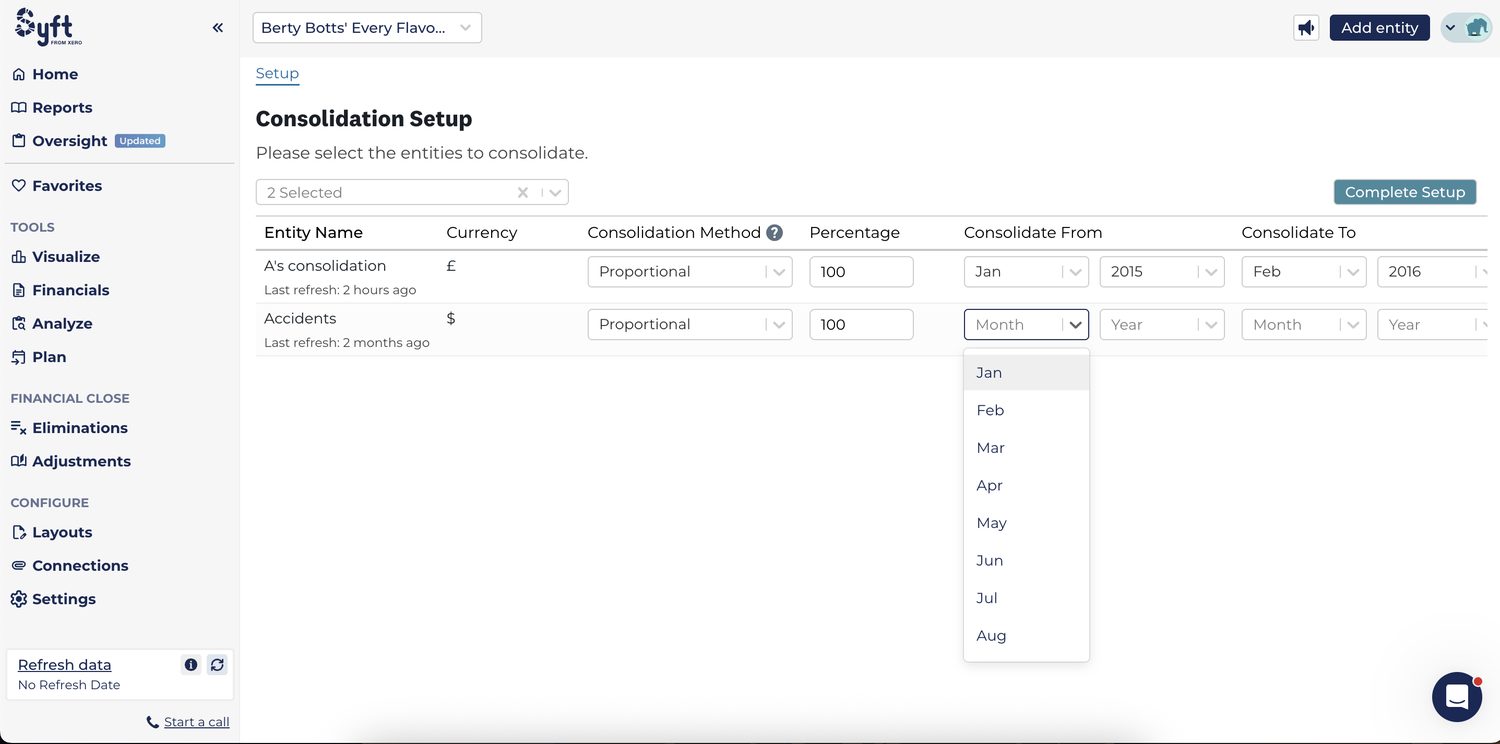
Now a Xero product. Consolidation across entities and currencies, management reporting packs, eliminations and adjustments at close, cash flow and forecasting, and anomaly detection across the ledger. | Groups, and anyone who needs reporting beyond standard statements |
 Gusto Gusto |
US payroll, with each run posting back into Xero correctly coded. We configure and monitor the connection; we do not run payroll. | US employers |
 HubSpot HubSpot |
Sales pipeline connected to the ledger, so a closed deal becomes an invoice without a second entry. We are a HubSpot partner. | Businesses running sales through a CRM |
This is the work we did before we did US bookkeeping, and it is why multi-entity and multi-system clients tend to stay with us. Someone has to own the connections between these systems and the numbers that flow through them. When nobody does, the figures stop tying and no one can say why.
More than most people assume. Xero’s own published system limits state that it is designed for up to 5,000 sales invoices and 5,000 purchase bills a month, plus 5,000 bank transactions a month, with a recommended ceiling of 4,000 tracked inventory items, 10,000 contacts and 500 fixed assets. Xero notes these depend on how evenly transactions fall through the month and how variable the amounts are.
For context, that is roughly 15,000 accounting transactions a month before you are near the invoicing and banking guidance. Most businesses that believe they have outgrown Xero have not.
Complexity usually reaches the edge before volume does. A consulting firm issuing a few hundred invoices a month will never trouble those numbers. A high-order-count e-commerce or distribution business can pass them quickly, and the usual answer is not a different ledger but summarising at the source, so a sales or inventory system posts daily totals into Xero rather than every individual line. That is a design decision we make with clients regularly.
Where a business has genuinely outgrown small business accounting software, or needs statutory reporting formats no reporting layer produces, we will say so. We have implemented enterprise systems as well, so we can tell you plainly rather than sell you the wrong thing.
Strengths
The comparison everyone asks for
In the US, QuickBooks Online is the default and Xero is the considered choice. Both are capable. The differences that actually decide it are narrower than the marketing on either side suggests.
Xero tends to win on reconciliation workflow, multi-currency, unlimited users and the quality of its advisor tools. QuickBooks tends to win on US market depth: more bookkeepers know it, more niche apps connect to it, and more CPAs will accept a file without comment.
The deciding question is usually not which is better but who will be working in it. Software your team and your advisors already know beats a marginally better system nobody is fluent in.
The full comparison is here, including migration considerations in both directions.
Next
Questions
Tell us what your business does and how your books are kept now. If Xero is the wrong answer, we will say so, and tell you what we would use instead.