Skip to the main content.

logiframe

Privacy policy

Logiframe is an Equal Opportunity Employer.

All qualified applicants will receive consideration for employment without regard to race, color, age, religion, sex, sexual orientation, gender identity / expression, national origin, protected veteran status, or any other characteristic protected under federal, state or local law, where applicable, and those with criminal histories will be considered in a manner consistent with applicable state and local laws.

Managed Services
Streamline your finance, tax, and payroll with reliable managed services built for scale.

NetSuite
Unlock enterprise-grade ERP to automate operations, gain insights, and scale your business smarter.

Xero
Empower your growing business with easy, cloud-based accounting and powerful Xero add-ons.

Our journey is defined by a steadfast commitment to excellence and an unwavering dedication to our clients. Since our establishment, we take immense pride in having served over 600 clients across diverse industries.


Featured Blog

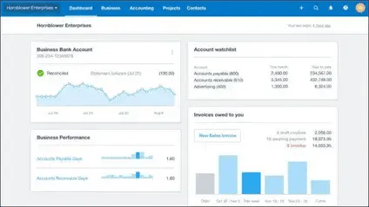
Xero, Accounting Software Terbaik untuk Bisnis Anda

Software akuntansi Xero sudah menggunakan sistem cloud computing yang artinya Anda tidak perlu menginstalnya lagi di PC (Personal Computer). Anda dapat mengakses laporan keuangan perusahaan atau cash flow secara real time asalkan terhubung dengan internet.

Xero Dashboard-1

Discover more


Featured Blog

Logo Oracle NetSuite_500_200

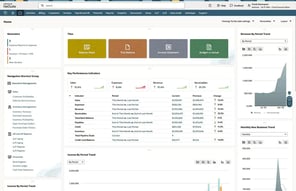
Introduction to NetSuite Dashboard

Dashbor NetSuite adalah salah satu bagian terpenting NetSuite. Memiliki dasbord yang terkonfigurasi dengan benar sangat penting bagi setiap karyawan untuk dapat dengan cepat menavigasi ke data yang mereka perlukan untuk melihat dan mengawasi tren penting.

NetSuite Dashboard

Discover more

Explore NetSuite

Simplifying Success for Small Businesses

Discover accounting and technology solutions
designed to streamline operations, boost efficiency,
and empower growth for your small business.

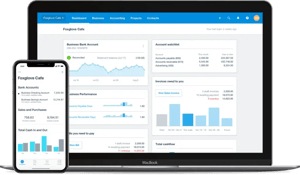
Dekstop and mobile version of Xero

Xero Accounting Software

The Accounting Software for Everyday
Business for Everyone

Xero is a cloud-based accounting software that simplifies
invoicing, bank reconciliation, payroll, and expense tracking,
helping businesses manage finances efficiently and in real-time.

Explore Xero

Featured Blog

Logo testi

Xero Recognized Among the World's Top 250 Fintech Companies in 2024

In a remarkable achievement, Xero has been named one of the World’s Top 250 Fintech Companies for 2024 by CNBC. This recognition underscores Xero’s unwavering commitment to innovation, technology, and providing world-class cloud accounting solutions for businesses worldwide.

Xero Recognized Among the Worlds Top 250 Fintech Companies in 2024 (feature blog)-1

Discover more

Learn about our people, values, and more

About Us Overview →

Our Commitment

Featured Blog

Oracle NetSuite 2023 Award

The award underscores Logiframe's position as a trusted partner in leveraging NetSuite solution to drive business success and operational efficiency. This achievement reflects Logiframe's dedication to staying at the forefront of technology and providing outstanding solutions in the dynamic landscape of ERP.

Untitled design (11)

Discover more

Featured Blog

Why NetSuite Is the Best ERP for Wholesale Businesses Making $20M-$80M

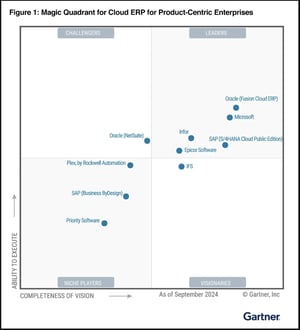
In Cloud ERP for Wholesale and Distribution, NetSuite is the strong Challenger in Gartner's Magic Quadrant for Product-Centric Enterprises. Yes, large ERP vendors dominate the market with Oracle Fusion Cloud ERP, SAP S/4HANA Cloud, and Microsoft Dynamics 365, but NetSuite provides the ideal solution to mid-market wholesale and distribution businesses by delivering robust functionality without excessive costs or complexity.

Magic Quadrant for Cloud ERP for Product-Centric Enterprises

Discover more

5 min read

Statutory Financial Statement Requirements in Indonesia Guide

Statutory Financial Statement Requirements in Indonesia Guide

Every company incorporated in Indonesia — including foreign-owned PT PMA companies — must prepare annual statutory financial statements under Indonesian Financial Accounting Standards (SAK), in Bahasa Indonesia and Indonesian Rupiah. Depending on size and activity, a company may also be legally required to have those statements audited by a registered public accountant, and certain companies must file an annual financial report with the authorities. Failure to meet these obligations exposes the company and its directors to penalties, audit qualifications, and complications with licensing and tax. This guide sets out who must comply, what must be produced, and the deadlines that govern the annual cycle.

For a foreign parent, Indonesian statutory compliance is easy to underestimate because it runs on a different logic from group reporting. The group cares about consolidation; Indonesian law cares about the standalone legal entity meeting local obligations in local form. This guide explains those obligations so your HQ team knows what the subsidiary must deliver — and what happens if it doesn't.

Compliance note: Specific monetary thresholds, filing deadlines, and audit-trigger criteria in Indonesia are set by regulation and change periodically. This guide describes the structure of the obligations, which is stable. Every item marked [Verify current requirement] should be confirmed against the latest regulation (or with a local advisor) before you rely on it, as the precise figure or date may have been updated.

Table of Contents:

1. Why these two areas matter for reconciliation
2. Revenue recognition
3. Intangible assets
4. Summary: revenue and intangibles across the standards
5. Why this matters for a foreign-owned subsidiary
6. Frequently asked questions

Who must comply

A All limited liability companies (Perseroan Terbatas, PT) in Indonesia are subject to statutory financial reporting obligations under the Company Law. This includes foreign investment companies (PT Penanaman Modal Asing, or PT PMA) — being foreign-owned does not exempt a company from local statutory reporting. Branch offices and representative offices have their own reporting positions that should be assessed separately.

What statutory financial statements must contain

Indonesian statutory financial statements must be prepared under the applicable tier of SAK and, at a minimum, comprise a complete set of financial statements:

Component

Local concept

Statement of financial position

Laporan posisi keuangan (neraca)

Statement of profit or loss and other comprehensive income

Laporan laba rugi dan penghasilan komprehensif lain

Statement of changes in equity

Laporan perubahan ekuitas

Statement of cash flows

Laporan arus kas

Notes to the financial statements

Catatan atas laporan keuangan


These must be:

  • Prepared under the correct SAK tier (full SAK, SAK EP, SAK EMKM, or SAK Syariah as applicable).

  • Denominated in Indonesian Rupiah — by default, though foreign-owned companies (PT PMA), permanent establishments, and foreign subsidiaries can obtain approval from the Director General of Taxes to maintain books in USD.

  • Presented in Bahasa Indonesia for statutory purposes — with the same approval permitting the use of English for foreign-owned entities.

When an audit is required

Not every Indonesian company must have its financial statements audited, but many must. A statutory audit by a registered Indonesian public accountant is generally required where a company meets certain criteria, which have historically included situations such as:


  • The company's assets or turnover exceed a defined threshold [Verify current threshold].

  • The company raises or manages funds from the public, or issues debt instruments.

  • The company is a state-owned enterprise, a bank, or operates in certain regulated sectors (insurance, financial services).

  • The company is a debtor whose financial statements are required to be audited under the terms of its financing.

  • Other conditions specified by the Company Law and related regulations [Verify current criteria].

Because the asset/turnover threshold is a moving figure, a subsidiary that grows may cross into mandatory-audit territory from one year to the next. Many foreign-owned subsidiaries also undergo an audit regardless of the statutory trigger — because the group requires audited figures, or because it supports the annual consolidation and tax position.

Key annual deadlines

The Indonesian statutory and tax calendar drives several fixed obligations after year-end. For a company with a December 31 financial year-end, the recurring annual sequence generally includes:

Obligation

Typical timing

Notes

Annual General Meeting of Shareholders (approving the accounts)

Within a set period after year-end [Verify current deadline]

Required under Company Law

Corporate income tax return (SPT Tahunan Badan)

By the statutory annual deadline [Verify current date]

Filed with the tax authority (DJP)

Annual financial report filing (where required)

Per applicable regulation [Verify current requirement & deadline]

Certain companies must file with the Ministry

Statutory audit completion (where applicable)

Ahead of the AGM and tax filing

Audit must precede approval/filing

The interdependency matters: the audit (if required) must be complete before the accounts are approved at the AGM, and the tax return relies on the finalized statements. A delay in the close cascades into every downstream obligation — which is why an on-time, well-documented close (covered in our monthly close guide) is the foundation of annual compliance.

Consequences of non-compliance

Failing to meet statutory financial statement obligations in Indonesia is not a low-stakes administrative matter. Potential consequences include:

  • Financial penalties and administrative fines for late or missing filings and tax returns [Verify current penalty amounts].

  • Tax exposure — statements that are late, unaudited where required, or unreliable can trigger scrutiny, assessments, and interest.

  • Audit qualifications where records are inadequate, which the group inherits at consolidation.

  • Director and company liability — Indonesian company law places responsibility on the company's management for proper books and reporting.

  • Operational and licensing friction — non-compliance can complicate license renewals, financing, and corporate actions.

For a foreign parent, the reputational and consolidation risk is often as significant as the direct penalty: an unreliable or non-compliant subsidiary undermines confidence in the group's numbers.

How foreign-owned subsidiaries stay compliant

The practical path to reliable statutory compliance has three components. First, maintain SAK-compliant books year-round rather than reconstructing them at year-end — clean monthly records make annual compliance routine. Second, determine the audit position early — know whether the subsidiary triggers a mandatory audit and plan for it, rather than discovering it late. Third, align the statutory calendar with the group calendar so audit, AGM, and tax deadlines are met without a year-end scramble.

Because this requires ongoing local expertise that a foreign HQ team generally doesn't hold, many multinational subsidiaries outsource statutory compliance to a local partner who maintains the SAK books, coordinates the audit, and manages the statutory and tax calendar — keeping the entity in good standing while feeding reconciled figures to the group.

Frequently asked questions

Do foreign-owned (PT PMA) companies have to file statutory financial statements in Indonesia?

Yes. Foreign-owned PT PMA companies are subject to the same statutory financial reporting obligations as domestic companies. They must prepare annual financial statements under SAK, in Bahasa Indonesia and Indonesian Rupiah, and may be required to have them audited and to file them depending on their size and activities.

Is a statutory audit mandatory for every company in Indonesia?

No. A statutory audit is required where a company meets specific criteria — such as exceeding defined asset or turnover thresholds, raising public funds, or operating in regulated sectors like banking or insurance. Many foreign-owned subsidiaries are audited even when not strictly required, because their group needs audited figures. The exact thresholds should be verified against current regulation.

What must Indonesian statutory financial statements include?

A complete set under SAK: a statement of financial position, a statement of profit or loss and other comprehensive income, a statement of changes in equity, a statement of cash flows, and notes to the financial statements — prepared in Bahasa Indonesia and Indonesian Rupiah.

What happens if a company misses its statutory reporting deadlines in Indonesia?

Consequences can include financial penalties and fines, tax scrutiny and assessments, audit qualifications, and liability for company management, as well as operational friction with licensing and financing. For a subsidiary, non-compliance also creates consolidation and reputational risk for the group.

Can Indonesian statutory statements be prepared in USD and English?

By default statutory statements are in Indonesian Rupiah and Bahasa Indonesia. However, foreign-investment companies (PT PMA), permanent establishments, subsidiaries of foreign companies, and overseas-listed taxpayers can maintain their books in USD and use English, with approval from the Director General of Taxes. This is a meaningful option for a foreign parent whose group reports in USD — it can simplify the reconciliation — and eligibility is worth assessing early. Where used, the permitted foreign language is English and the permitted currency is USD specifically. Confirm the current approval procedure before relying on it.

When is the corporate income tax return due in Indonesia?

The annual corporate income tax return (SPT Tahunan Badan) is filed with the tax authority by a statutory annual deadline after the financial year-end. Because the exact date is set by regulation, confirm the current deadline before relying on it — and note that the return depends on finalized statutory statements, so the close and any required audit must be completed first.

Logiframe keeps foreign-owned Indonesian subsidiaries in full statutory compliance — maintaining SAK-compliant books year-round, coordinating the statutory audit where required, and managing the annual reporting and tax calendar so nothing slips. Our team pairs local Indonesian expertise with Big Four audit backgrounds to keep your entity in good standing and your group's numbers reliable. [Learn more about our accounting and finance outsourcing services →]

Revenue Recognition & Intangible Assets SAK, IFRS, and US GAAP-1


Can we help you to advance your business?


Contact us to discover your options.


7 Tips Memilih Software Akuntansi Terbaik Untuk Bisnis

16 min read

7 Tips Memilih Software Akuntansi Terbaik Untuk Bisnis

Memilih software akuntansi yang tepat adalah kunci untuk mengelola keuangan bisnis secara optimal. Dengan teknologi yang terus berkembang, software...

Xero, Accounting Software Terbaik untuk Bisnis Anda

16 min read

Xero, Accounting Software Terbaik untuk Bisnis Anda

Dalam menjalankan sebuah bisnis baik itu masih skala UMKM hingga Internasional, akan selalu ada beberapa masalah yang timbul dan harus diselesaikan....

Pentingnya Laporan Keuangan di Xero untuk Keputusan Bisnis yang Tepat

11 min read

Pentingnya Laporan Keuangan di Xero untuk Keputusan Bisnis yang Tepat

Laporan keuangan adalah salah satu elemen kunci dalam pengelolaan bisnis yang sukses. Dengan laporan yang akurat, pemilik bisnis dapat mengambil...